Nearly 30 people have died after contracting the Chandipura virus in Gujarat, while infections have also been reported in Rajasthan, prompting the Union Health Ministry to deploy National Joint Outbreak Response Teams (NJORT) to both states.
The teams will work with state health authorities on surveillance, diagnosis, treatment, case management and measures to control the outbreak.
Gujarat has recorded the highest number of infections and deaths in the current outbreak. The virus has raised particular concern because of its rapid progression, especially among children.
Virus Can Affect Brain Within Hours
Chandipura virus is mainly transmitted through the bite of infected phlebotomine sandflies, although some mosquito species may also act as vectors. It is not generally considered contagious and does not usually spread directly from person to person.
The infection can rapidly develop into acute encephalitis syndrome (AES), affecting the brain and causing seizures, confusion, loss of consciousness and, in severe cases, coma.
Ahmedabad Civil Hospital dean Dr Rakesh Joshi said the absence of a specific treatment or vaccine makes early detection especially important.
“Since the spread and outbreak is not uniform and regular there is no treatment defined yet like that of other vector-borne diseases,” Joshi said. “Also, there is no vaccine yet.”
He added that the virus can affect the brain within a short period, leaving doctors with a limited window to respond.
Children Among Those Most at Risk
Children between around nine months and 15 years are considered particularly vulnerable, with many cases reported from rural areas.
Early symptoms can include sudden fever, headache, vomiting and flu-like symptoms. The condition may then progress to seizures, drowsiness, altered mental status and unconsciousness.

Doctors have stressed that patients should be taken to hospital immediately if neurological symptoms develop.
Joshi said many fatal cases involved children who reached hospitals only after losing consciousness.
“Though the 48-hours window may look like we have two whole days, to catch a not-so-regular virus is difficult, especially when the symptoms are so common,” he said.
Mumbai Hospitals Remain Alert
Maharashtra has not reported a confirmed Chandipura virus case in the current outbreak. However, hospitals in Mumbai have been placed on alert because of the state’s proximity to Gujarat and the movement of patients from different parts of the country.
Dr Tushar Palave, vice-dean of Cama and Albless Hospital, said doctors had received information about the disease, its symptoms and treatment.

“We haven’t received any guidelines yet from the city or state health department. However, all the facts and figures, including symptoms and line of treatment have been shared so that we are well-informed and do not miss any cases,” he said.
He added that public hospitals need to remain particularly vigilant because they treat patients from across the country.
Vector Control Key to Prevention
With no specific antiviral treatment or licensed vaccine available, prevention and early supportive care remain important.
Health experts recommend maintaining sanitation, disposing of waste properly, sealing cracks in mud and plaster walls and using fine-mesh screens. People in affected areas are also advised to use suitable mosquito and sandfly repellents.
Meanwhile, a child from the Kansumara area near Jamnagar who was admitted with suspected Chandipura symptoms died during treatment despite later testing negative for the virus.
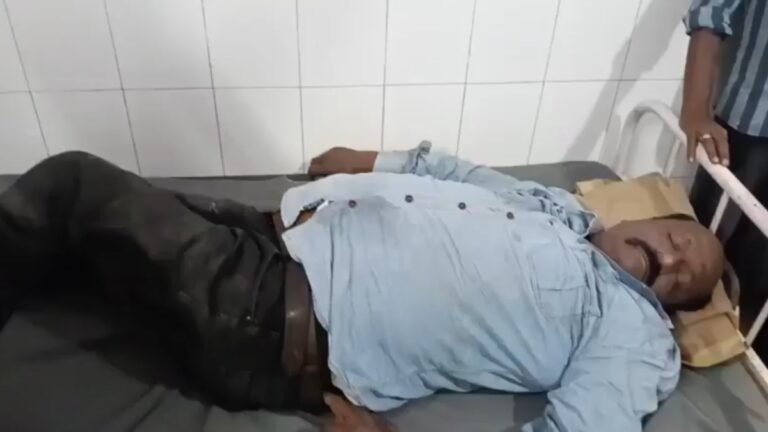
Another child from the Porbandar region has also been admitted to government GG Hospital in Jamnagar with suspected symptoms. More than a dozen suspected cases have been reported in Jamnagar and surrounding areas, though confirmation requires laboratory testing.
Authorities continue to monitor the situation as Gujarat and Rajasthan strengthen their response to the outbreak.