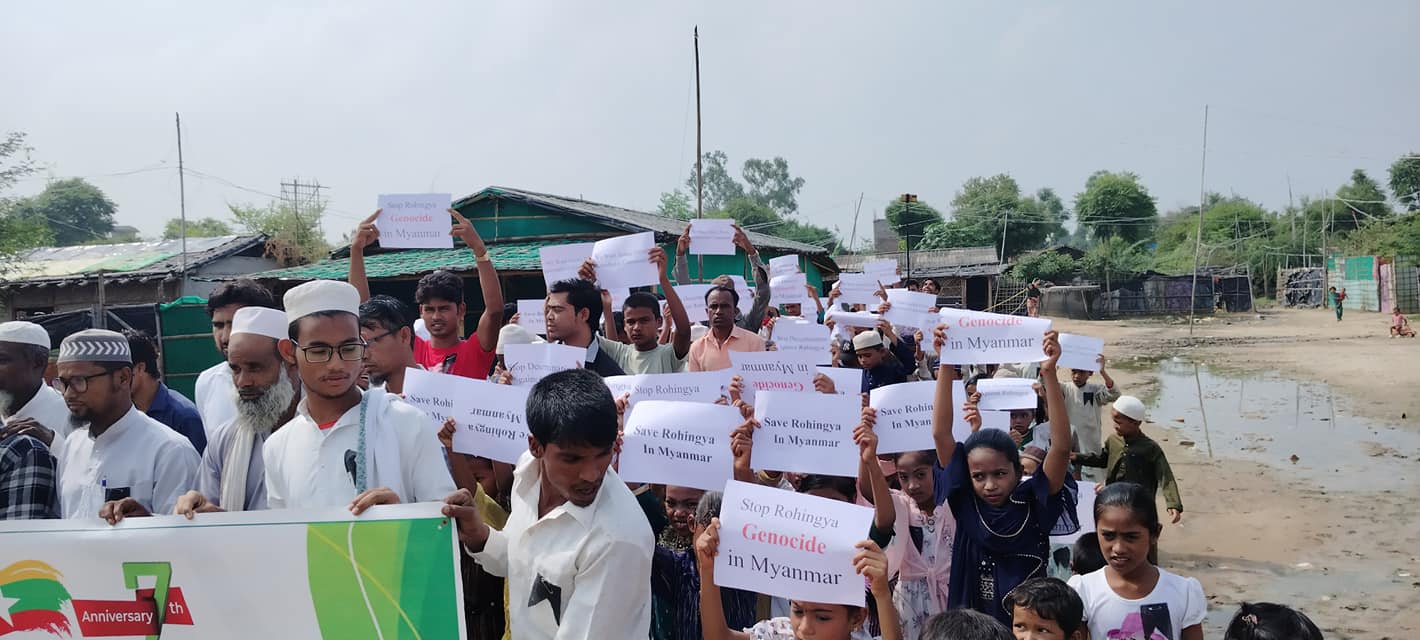
The United Nations Committee on the Elimination of Racial Discrimination (CERD) has expressed “grave concern” over reports of large-scale violations by law enforcement officials against marginalised communities in India, including Dalits, Scheduled Tribes, Rohingya refugees and Bengali-speaking Muslims.
In its latest findings, issued on Tuesday, August 25, the UN committee said it was concerned about allegations of racially motivated violence, excessive use of force, extrajudicial killings, arbitrary and prolonged detention, torture, ill-treatment and sexual violence allegedly carried out by law enforcement officials.
The committee called on the Indian government to conduct prompt, thorough and impartial investigations into the allegations and ensure that those responsible are held accountable.
UN Raises Concern Over Rohingya, Bengali-Speaking Muslims
CERD also highlighted what it described as an increase in law enforcement operations targeting Rohingya refugees, Bengali-speaking Muslims, migrants and asylum seekers.
The committee linked the increase to a 2017 order of the Union Ministry of Home Affairs concerning undocumented migrants and actions taken after the April 2025 Pahalgam terror attack in Jammu and Kashmir.

According to the committee, police stops and identity checks involving alleged racial profiling have reportedly resulted in arbitrary arrests and detention without due process, as well as torture and ill-treatment.
The panel also expressed concern over deportations and forcible returns of people seeking international protection.
It urged India to “urgently address” discrimination, hate speech and hate crimes against Rohingya, Bengali-speaking Muslims, migrants and asylum seekers, while protecting their rights and refraining from collective expulsions.
Concern Over Deportations
The committee also called on India to ensure that people in need of international protection have access to appropriate safeguards under the principle of non-refoulement.
Non-refoulement is an international legal principle that prohibits states from returning refugees or asylum seekers to a country where they face a serious risk of persecution or threats to their life or freedom.
The findings come amid reports of Bengali-speaking people, many of them Muslims, being detained in different parts of India during identity verification drives following government instructions to identify undocumented migrants from Bangladesh and Myanmar.
There have also been reports of people being sent across the border despite subsequently producing documents showing that they were Indian citizens.
Dalits, Tribal Communities Also Flagged
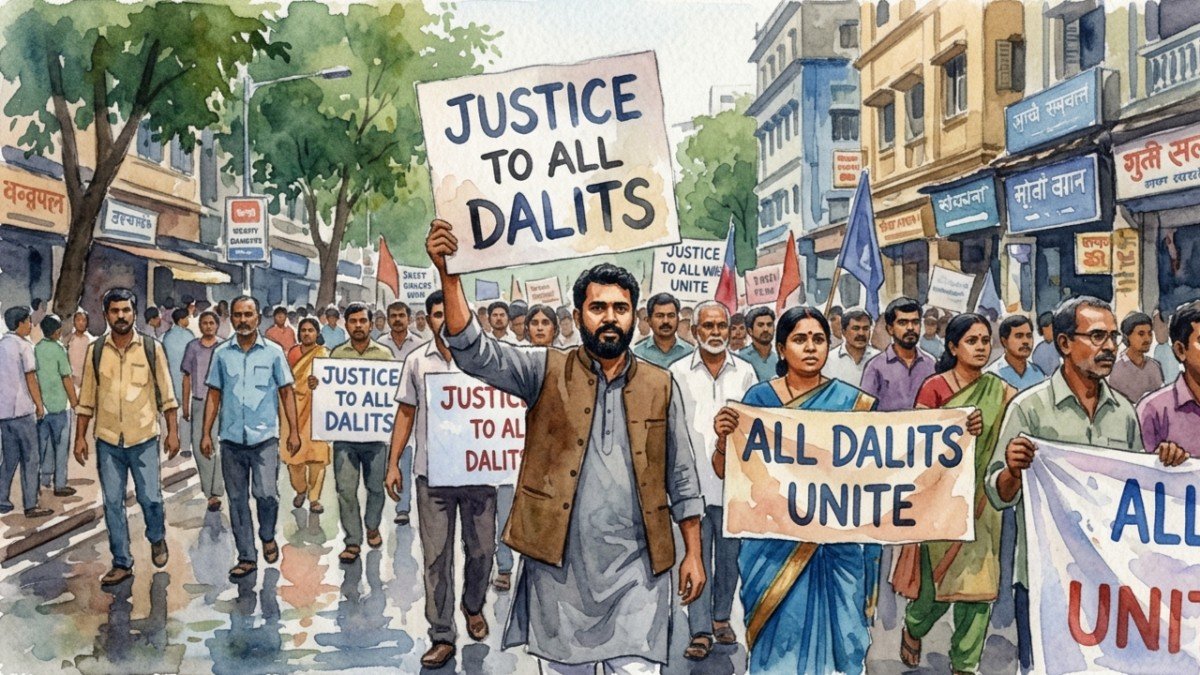
CERD separately expressed concern over alleged violations against ethnic and ethno-religious groups, Indigenous and Tribal Peoples, Scheduled Tribes and Scheduled Castes, particularly Dalits.
The committee said the alleged violations included excessive use of force, extrajudicial killings, arbitrary detention, torture, ill-treatment and sexual violence.
It urged Indian authorities to investigate such allegations independently and ensure accountability.
India Appears Before Committee After 19 Years
The findings followed India’s appearance before CERD earlier this month, marking the country’s first review by the committee since 2007.
CERD is made up of 18 independent human rights experts and monitors countries’ compliance with the International Convention on the Elimination of All Forms of Racial Discrimination.
The committee’s recommendations are not legally binding, but its findings carry significant international and reputational weight.
India’s delegation, led by Solicitor General Tushar Mehta, highlighted the country’s constitutional safeguards, diversity and pluralistic character during the review.
The Ministry of External Affairs has not yet issued a detailed response to the committee’s latest findings.