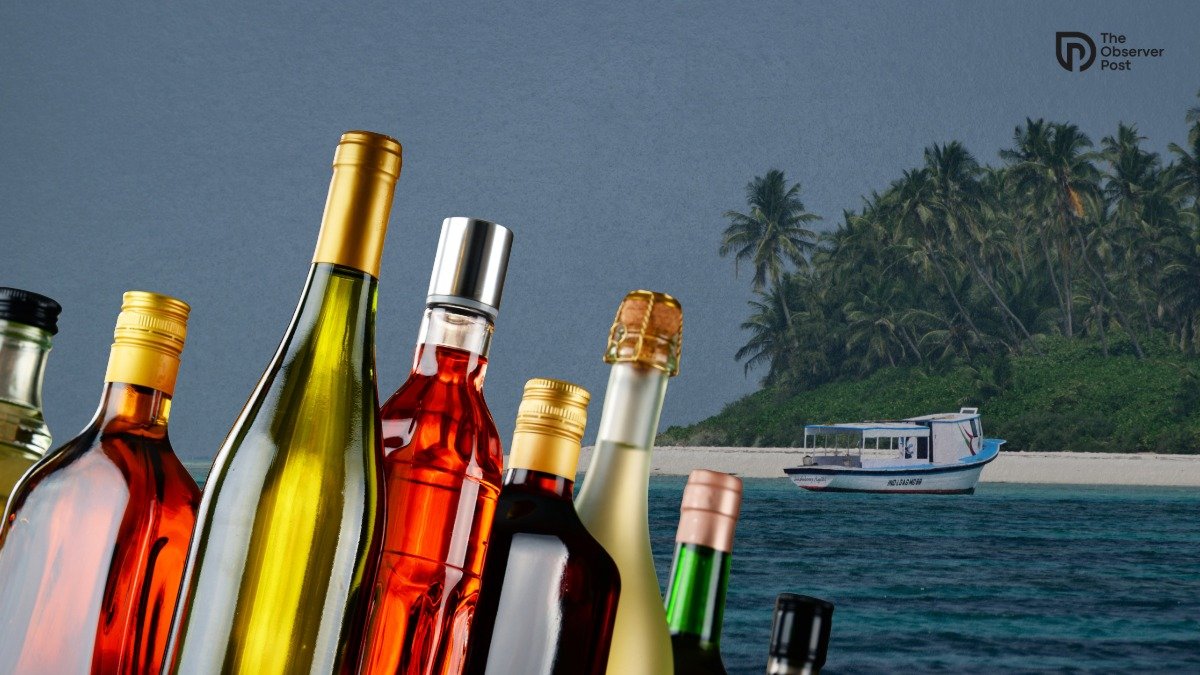
The Central government has lifted the nearly 47-year-old liquor ban in Lakshadweep, opening the way for regulated sale and consumption of alcohol in the Muslim-majority Union Territory. The decision comes under the newly approved Lakshadweep Excise Regulation 2026, which came into effect on June 5.
Under the new rules, the manufacture, storage, import, export, transport, sale, purchase and consumption of liquor will now be regulated through a licensing system. Government corporations and authorised agencies will be allowed to obtain licences for alcohol-related activities.
The administration has also introduced strict conditions for liquor shops. As per the new rules, alcohol outlets cannot operate within 50 metres of schools, colleges, hospitals, religious places, women’s hostels or orphanages.
Why Was Alcohol Banned in Lakshadweep?
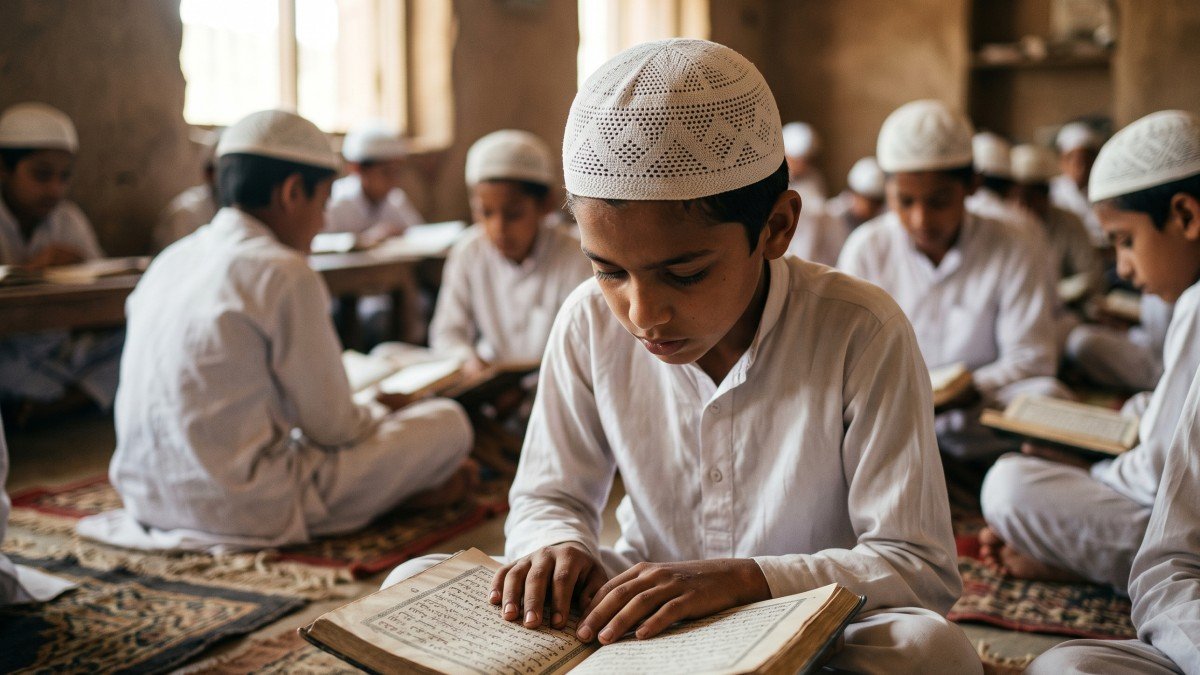
Lakshadweep, located around 2,000 kilometres from Delhi in the Arabian Sea, has one of the highest Muslim population ratios in India. According to the 2011 Census, around 97 per cent of the population follows Islam, while nearly 95 per cent belong to Scheduled Tribes.
The liquor ban was introduced in 1979, largely due to religious and cultural sensitivities, as alcohol consumption is prohibited in Islam. Authorities had long argued that alcohol was not part of Lakshadweep’s social culture and that prohibition helped prevent crime, addiction and social problems.
However, the ban was never absolute. Liquor was available in a limited way at select government-run tourist resorts, particularly on Bangaram Island and Kavaratti, mainly for tourists.
Why Has the Ban Been Removed Now?
The government says the decision is aimed at boosting tourism and making Lakshadweep more competitive with international island destinations such as the Maldives, Mauritius and Seychelles, where alcohol is available at tourist resorts.
Officials believe restrictions on liquor made Lakshadweep less attractive for foreign and high-end domestic tourists despite its natural beauty and beaches.
The administration hopes the policy change will help develop world-class tourism infrastructure and attract more hotel and resort investments.
“The objective is to make Lakshadweep a stronger tourism destination and generate employment opportunities for local people,” officials have argued.

PM Modi’s Visit and Tourism Push
The move also comes amid increased focus on Lakshadweep after Prime Minister Narendra Modi’s visit to the islands in January 2024. Images of the Prime Minister enjoying the beaches and snorkelling brought national and international attention to the Union Territory.
Reports suggest tourist arrivals increased sharply after the visit. Tourism-related planning for Lakshadweep reportedly began in 2023, with the excise regulation now formalising those efforts.
Lakshadweep has 36 islands, of which only 10 are inhabited, including Agatti, Amini, Andrott, Kadmat, Kalpeni, Kavaratti and Minicoy. The government plans to expand controlled liquor access beyond a few resorts to support tourism growth across more islands.
Strict Rules and High Taxes on Liquor
Despite lifting prohibition, authorities say liquor sales will remain tightly regulated. Alcohol will not be sold openly through unrestricted private shops, and only licensed entities will be allowed to operate.
The administration has also imposed high taxes on liquor. Indian-made foreign liquor (IMFL) and imported alcohol will attract 400 per cent excise duty, beer 200 per cent and wine 80 per cent.
Officials say the aim is to balance tourism growth with local cultural concerns.
Permit Rules for Lakshadweep Remain
Tourists visiting Lakshadweep will still require permits. Indian and foreign visitors need approval before entering the islands due to environmental protection measures, coral reef conservation and security reasons.
Permits are generally issued through authorised tour operators, government tourism packages or hotels and resorts assisting travellers with the process.