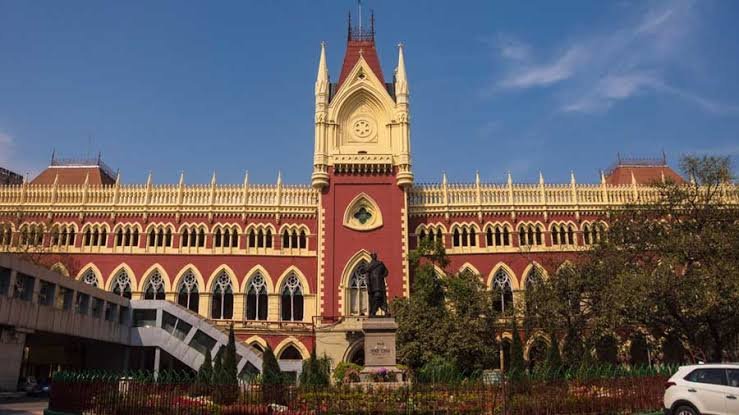
The Calcutta High Court has sought a response from the West Bengal government on a public interest litigation (PIL) alleging that individuals whose names were excluded during the Special Intensive Revision (SIR) of the electoral roll have been denied benefits under several government welfare schemes, including the Public Distribution System (ration) and the Annapurna Yojana.
The PIL, filed by the West Bengal Khet Majdur Samiti, came up for hearing before a Division Bench comprising Acting Chief Justice Tapobrata Chakraborty and Justice Partha Sarathi Chatterjee. The Bench directed the state government to clarify its position by July 21.
During the hearing, Advocate General Surjit Nath Mitra, appearing for the state, submitted that the allegations require verification. He informed the court that the government would examine whether individuals whose names were removed from the electoral rolls during the SIR process had, in fact, been denied benefits under welfare schemes such as ration and the Annapurna Yojana. The Advocate General said the state would place before the court a detailed report identifying the affected beneficiaries, if any, and outlining the steps taken by the government after completing the inquiry.
According to the petitioner organisation, a government notification indicates that the list of beneficiaries under certain welfare schemes would be determined on the basis of data generated through the SIR process. The organisation argued that such a policy could result in large numbers of marginalised citizens—including agricultural labourers, daily wage earners, migrant workers, and women—being deprived of essential food security benefits.
The petition contends that such action would be inconsistent with the provisions of the National Food Security Act, 2013, which guarantees eligible beneficiaries access to subsidised food grains. It argues that linking food security entitlements to the revision of electoral rolls is contrary to both statutory provisions and the constitutional rights of eligible citizens.
The PIL has been filed against the backdrop of the recent Special Intensive Revision of the electoral rolls, during which more than 9.1 million (91 lakh) names were reportedly removed. According to official figures, the deleted entries include names of deceased persons, voters who had shifted residence, duplicate entries, and individuals found to be otherwise ineligible.
In addition, around 2.7 million (27 lakh) voter records remain under scrutiny due to what authorities have described as “logical discrepancies” or inconsistencies in the available information. Many of these individuals have reportedly approached the appropriate tribunal pursuant to directions issued by the Supreme Court, and it has been stated that applicants whose cases are pending before the tribunal continue to receive government benefits.
However, the petitioner organisation alleges that individuals whose names have been completely removed from the electoral rolls are being denied benefits under government welfare schemes, prompting the present litigation. The High Court is expected to consider the matter further after receiving the state’s affidavit and response on July 21.