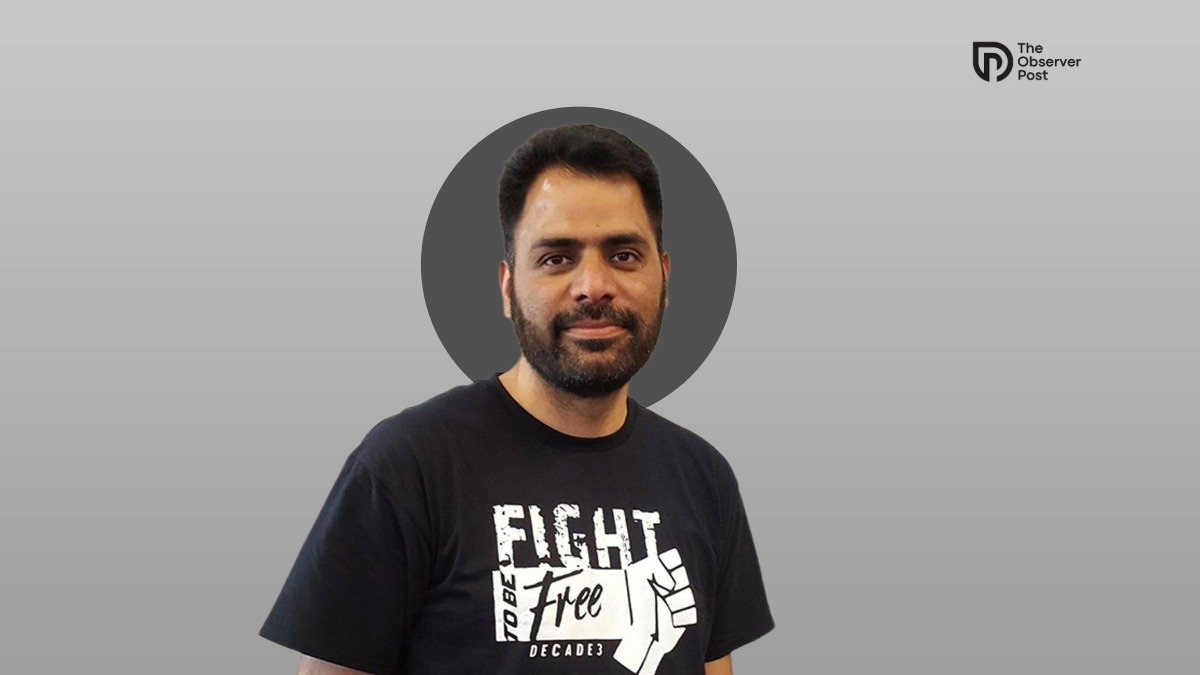
The Delhi High Court on Wednesday granted bail to Kashmiri human rights activist Khurram Parvez in a terror funding case registered by the National Investigation Agency (NIA) under the Unlawful Activities (Prevention) Act (UAPA).
A division bench of the Delhi High Court, comprising Justice Navin Chawla and Justice Ravinder Dudeja, allowed Parvez’s appeal against a trial court order that had denied him bail in December 2024.
“We have granted bail, subject to various conditions,” the bench said while pronouncing the order. The court is yet to release a detailed copy of the judgment.
Arrested in 2021, Parvez Had Spent Over Three Years in Jail
Parvez was arrested by the NIA from Srinagar on November 22, 2021, in connection with an alleged terror conspiracy case. He remained in custody for more than three years after being sent to judicial custody in February 2022.
The NIA had accused Parvez of being part of a network linked to the banned militant group Lashkar-e-Taiba. According to the agency, the network allegedly recruited Over Ground Workers (OGWs), collected intelligence on security forces and military installations, and arranged terror funding.
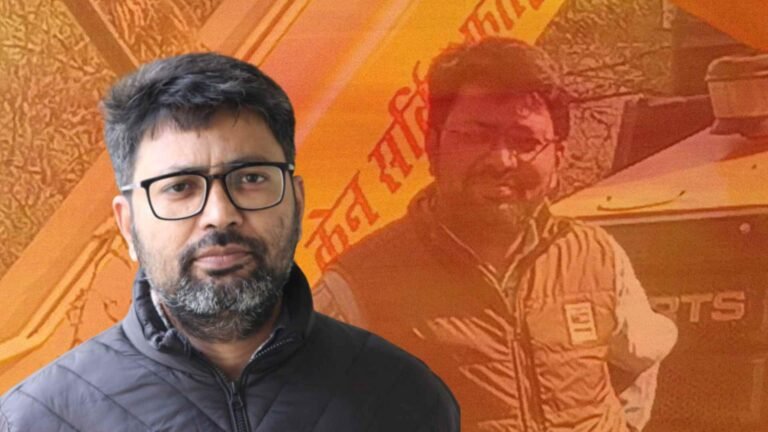
Investigators also claimed that Parvez played a role in mobilising protests after the killing of Burhan Wani in 2016 and maintained links with Pakistan-based organisations.
Parvez Denied Allegations, Called Himself ‘Factual Stranger’
In his appeal before the High Court, Parvez denied the allegations and argued that there was no evidence linking him to any banned organisation or terror activities.
Parvez, who served as the programme coordinator and spokesperson of the Jammu Kashmir Coalition of Civil Society and chairperson of the Philippines-based Asian Federation Against Involuntary Disappearances, told the court that he was a human rights defender working on issues such as enforced disappearances and humanitarian concerns.
His legal team argued that digital devices seized during the investigation did not reveal any contact with members of banned organisations or evidence of recruitment for militant groups.
The appeal also challenged the NIA’s claim regarding his visits to Pakistan, stating that the trips were public and related to advocacy work, including campaigns against landmines and enforced disappearances.

Trial Court Had Rejected Bail in 2024
A trial court had rejected Parvez’s bail plea on December 17, 2024, after which he approached the Delhi High Court. His lawyers argued that there was no proof that he shared military information with militant operatives or handled any alleged terror-funding money trail.
Senior advocate Tanveer Ahmed Mir represented Parvez along with a team of lawyers, while the NIA opposed the bail plea.
The High Court’s detailed order is awaited, which is expected to clarify the conditions attached to Parvez’s release.