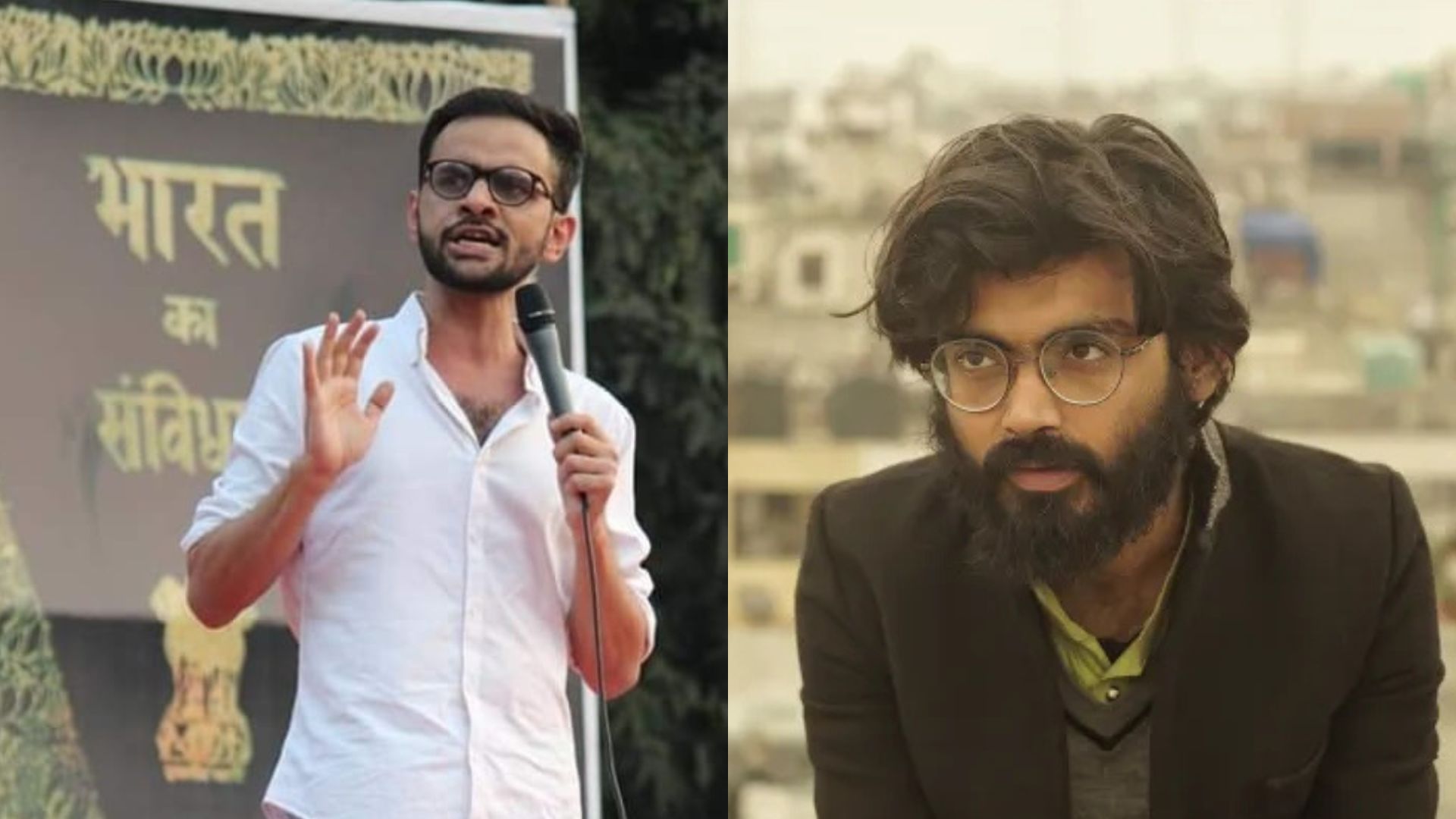
The Supreme Court on Wednesday, November 25, declined to grant interim bail to activists Umar Khalid and Sharjeel Imam in the 2020 northeast Delhi riots larger conspiracy case under the Unlawful Activities (Prevention) Act (UAPA).
A bench comprising Chief Justice of India Surya Kant and Justices Joymalya Bagchi and V Mohana issued notice to the Delhi Police and sought its response to the bail petitions filed by the two activists, who have challenged a Delhi High Court order denying them relief.
During the hearing, senior advocate Kapil Sibal, appearing for Khalid, sought interim bail, citing his prolonged incarceration of more than six years. Senior advocate Siddharth Dave, representing Imam, also sought similar relief.
The bench declined to consider the requests immediately, with the Chief Justice saying, “Not today.”
Justice Bagchi said the court would consider interim relief after hearing the Delhi Police. Solicitor General Tushar Mehta, appearing for the police, opposed considering the pleas without first hearing the prosecution.

The Supreme Court also directed that the matter be placed before the Chief Justice on the administrative side for the constitution of a three-judge bench.
Larger bench to examine UAPA bail principles
The decision to constitute a larger bench is linked to a reference made by a two-judge Supreme Court bench on May 22, 2026, in the case of co-accused Tasleem Ahmed.
The reference concerns a perceived conflict between the principles laid down in the 2021 Union of India v KA Najeeb judgment and the Supreme Court’s January 2026 decision denying bail to Khalid and Imam.
In the Najeeb judgment, a three-judge bench held that prolonged incarceration and delays in trial could justify bail even in cases under the UAPA, despite the law’s stringent bail provisions.
However, in January 2026, a bench comprising Justices Aravind Kumar and NV Anjaria rejected the bail pleas of Khalid and Imam, describing them as “ideological drivers” of the alleged larger conspiracy. The court granted bail to five other accused, including Gulfisha Fatima, after distinguishing their alleged roles.
While rejecting the pleas, the court allowed Khalid and Imam to approach it again after the examination of protected witnesses or after one year from the date of the order, whichever came earlier.
During Wednesday’s hearing, Sibal pointed out that the Supreme Court had granted interim bail to co-accused while referring the legal question to a larger bench in the Tasleem Ahmed matter.
The Chief Justice, however, said the court would first hear the Delhi Police before considering interim relief. He also indicated that the main petitions would be listed for hearing.
Khalid and Imam cite prolonged incarceration
In their latest petitions, Khalid and Imam argued that the prosecution had yet to examine protected witnesses and that the one-year period set by the Supreme Court in January was nearing its expiry.
They also argued that the examination of protected witnesses was unlikely to be completed by January 5, 2027, and cited their prolonged incarceration as grounds for bail.
The legal dispute over bail conditions has also been raised in the case of Syed Ifthikar Andrabi. In that matter, a bench of Justices BV Nagarathna and Ujjal Bhuyan criticised aspects of the January 2026 judgment, saying it had departed from the principles laid down in the KA Najeeb ruling.
The May 22 reference was made to resolve the perceived differences in how courts should apply the UAPA’s stringent bail provisions when trials are delayed and accused persons remain in custody for extended periods.
Background of the case
The case concerns an alleged larger conspiracy behind the February 2020 northeast Delhi riots, which broke out during protests against the Citizenship (Amendment) Act (CAA) and the proposed National Register of Citizens (NRC).
The violence left 53 people dead and hundreds injured, most of them Muslims.
Imam was arrested on August 25, 2020, while Khalid was arrested on September 13, 2020. Both have remained in custody since their arrests and face charges under the UAPA and other provisions of law. The allegations against them have not been established through a trial.