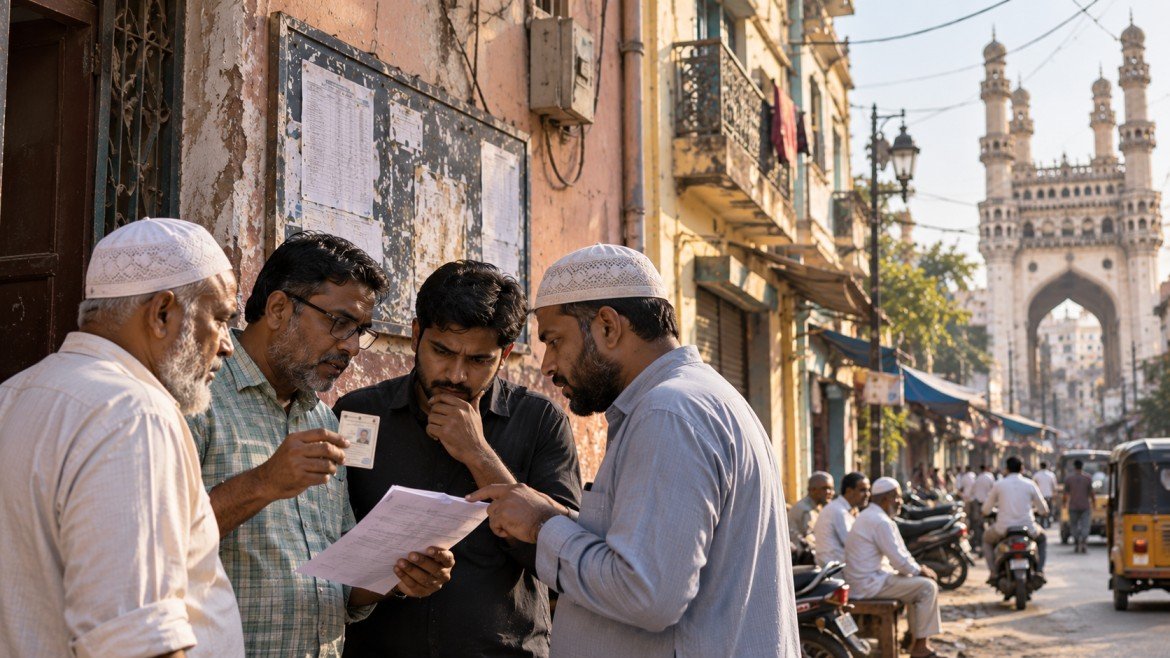
Three United Nations Special Rapporteurs have written to the Government of India expressing concern over the Election Commission of India’s (ECI) Special Intensive Revision (SIR) of electoral rolls, alleging that the exercise may have disproportionately affected Muslims, people of Bengali origin and other minority communities.
The communication, dated May 1, 2026, was sent by the UN Special Rapporteur on minority issues, the Special Rapporteur on the promotion and protection of the right to freedom of opinion and expression, and the Special Rapporteur on freedom of religion or belief. Under UN procedures, the government was given 60 days to respond before the communication was made public.
UN Raises Concerns Over Voter Deletions
The UN experts said they were concerned about what they described as the “large-scale removal of millions of names from electoral rolls through an SIR process led by the ECI, particularly affecting members of minority groups.”
The communication highlighted allegations that the voter revision process relied on opaque AI-assisted systems, provided insufficient time for voters to submit documents, lacked effective appeal mechanisms, and used minor discrepancies, such as spelling differences, as grounds for deleting names from electoral rolls.
The experts said they were particularly concerned by reports that eligible voters may have been wrongfully excluded from participating in elections.
Allegations of Disproportionate Impact
The letter referred to reports from West Bengal, where it claimed Muslim voters were disproportionately affected.
It cited allegations that in Nandigram constituency, around 95 per cent of deleted voters were Muslims, despite Muslims constituting only about 25 per cent of the electorate.
The communication also referred to concerns raised during the SIR exercise in Bihar, where reports suggested the process could lead to large-scale disenfranchisement of Muslims and other minorities. It further noted allegations that an AI-driven system was used to identify irregularities in voter data, raising concerns about transparency, errors and potential bias.
Concerns Over Public Statements
The UN experts also referred to statements allegedly made by senior political leaders in the context of the voter revision exercise.
According to the communication, remarks linking the deletion of voter names with action against “illegal Bangladeshi immigrants” could contribute to discriminatory rhetoric by conflating Indian Muslim citizens with foreign nationals.
The experts said such statements, if established, could raise concerns under India’s obligations under international human rights law.
India Asked to Clarify Safeguards
The communication seeks detailed information from the Government of India on the safeguards adopted during the SIR process.
Among the questions raised are requests for disaggregated data on deleted voters by religion and ethnicity, details of the appeals mechanism available to affected voters, and measures taken to ensure that eligible citizens were not wrongly removed from electoral rolls.
The experts also sought information on the steps taken to ensure compliance with India’s commitments under international treaties, including the International Covenant on Civil and Political Rights (ICCPR) and the 1992 Declaration on the Rights of Persons Belonging to National or Ethnic, Religious and Linguistic Minorities.
Supreme Court Had Upheld the Exercise
The Election Commission’s Special Intensive Revision was previously challenged before the Supreme Court.
In May 2026, the Supreme Court upheld the legality of the exercise, ruling that the Election Commission had the constitutional authority to conduct the revision and observing that the process was intended to ensure accurate and reliable electoral rolls for free and fair elections.
The Government of India and the Election Commission had not publicly responded to the UN communication at the time it became public.