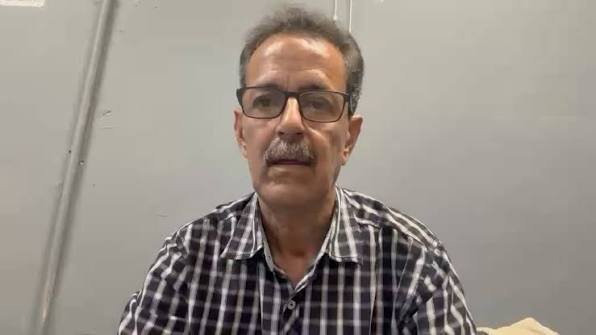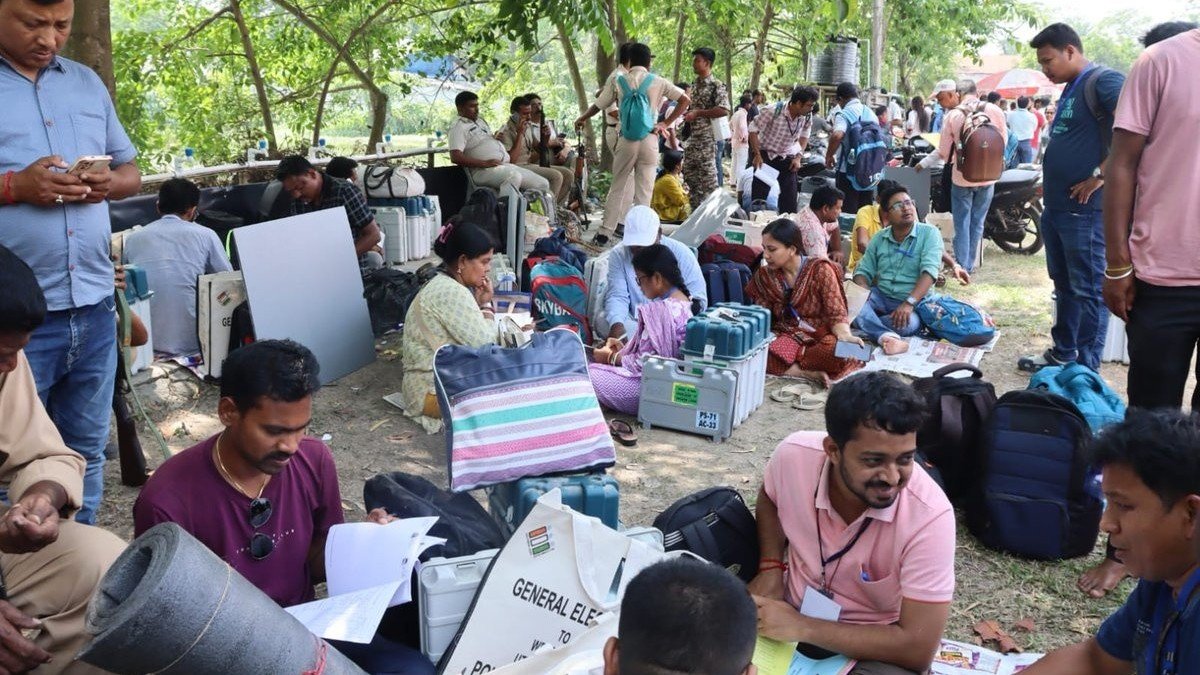
Voting began on Thursday at 7 am in the first phase of the West Bengal Assembly elections covering 152 constituencies, alongside polling in all 234 seats of Tamil Nadu. The elections are being held under tight security arrangements, with millions of voters expected to decide the political future of both states.
In West Bengal, over 3.60 crore voters, including nearly 1.75 crore women, are eligible to vote in this crucial phase that spans districts from North Bengal to Murshidabad and Hooghly. Tamil Nadu also witnessed high voter participation as more than 5.73 crore electors began casting votes across 75,000+ polling stations.
Unprecedented Security Deployment and Sensitive Booths
The Election Commission deployed nearly 2.5 lakh paramilitary personnel in West Bengal, supported by over 2,000 quick response teams and surveillance units. Around 8,000 polling stations were marked “highly sensitive” amid past violence concerns.
Authorities placed districts like Murshidabad, Malda, and Cooch Behar under special surveillance. Officials said the goal was to ensure “free and fair polling under strict monitoring conditions.”
SIR Controversy and Voter Roll Deletions Spark Political Clash
A key issue dominating the West Bengal elections is the Special Intensive Revision (SIR) of voter rolls, which reportedly led to deletion of nearly 91 lakh names. The Election Commission described many cases as “logical discrepancy,” a term that has triggered political controversy.
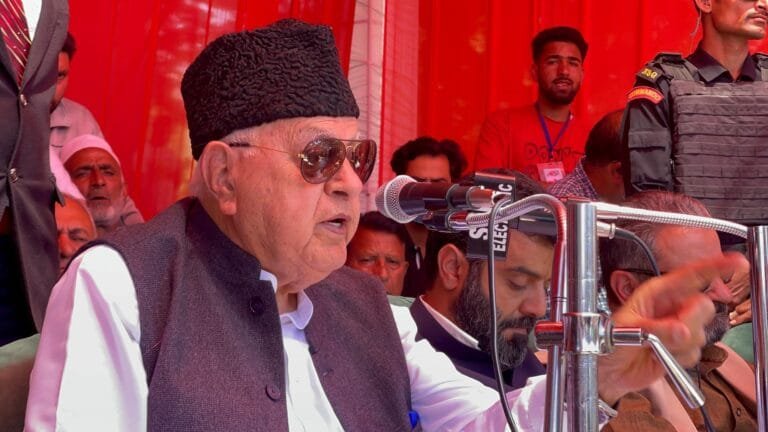
The BJP has claimed the exercise removed fake or infiltrator voters, while the Trinamool Congress (TMC) alleged that genuine voters, especially minorities and migrant workers, were unfairly excluded.
Officials said around 65 lakh deletions were linked to death, migration, or duplication, while some names were later restored after verification.
Polling Irregularities: EVM Glitches and Local Clashes
Voting faced early disruptions in several parts of West Bengal due to EVM malfunctions. Delays were reported in Murshidabad, Cooch Behar, Malda, Siliguri, and Nandigram constituencies. In some booths, voting was temporarily halted before machines were replaced.
In Murshidabad, clashes were also reported between TMC workers and supporters of a local political outfit during visits to sensitive areas.
Key Leaders Cast Votes, Political Stakes High
Several high-profile leaders are contesting in this phase, including Suvendu Adhikari (BJP, Nandigram), Adhir Ranjan Chowdhury (Congress), and multiple TMC ministers.
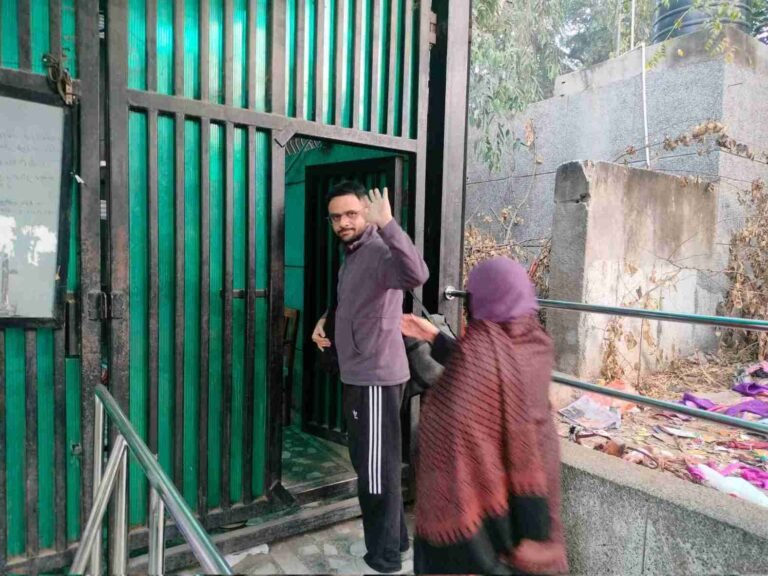
In Tamil Nadu, Chief Minister M.K. Stalin, Deputy CM Udhayanidhi Stalin, AIADMK leader Edappadi K. Palaniswami, and actor-politician Vijay are among key candidates.
Early turnout reports showed moderate participation, with Chennai recording around 16.5% voting by 9 am, while other cities like Coimbatore and Madurai saw slightly higher turnout.
Political Battlelines Drawn Ahead of Counting
West Bengal remains a direct contest between the ruling TMC and BJP, while Tamil Nadu sees a triangular fight between DMK, AIADMK-led NDA, and actor Vijay’s TVK making its electoral debut.
Counting of votes for both states will take place on May 4, alongside Kerala, Assam, and Puducherry.