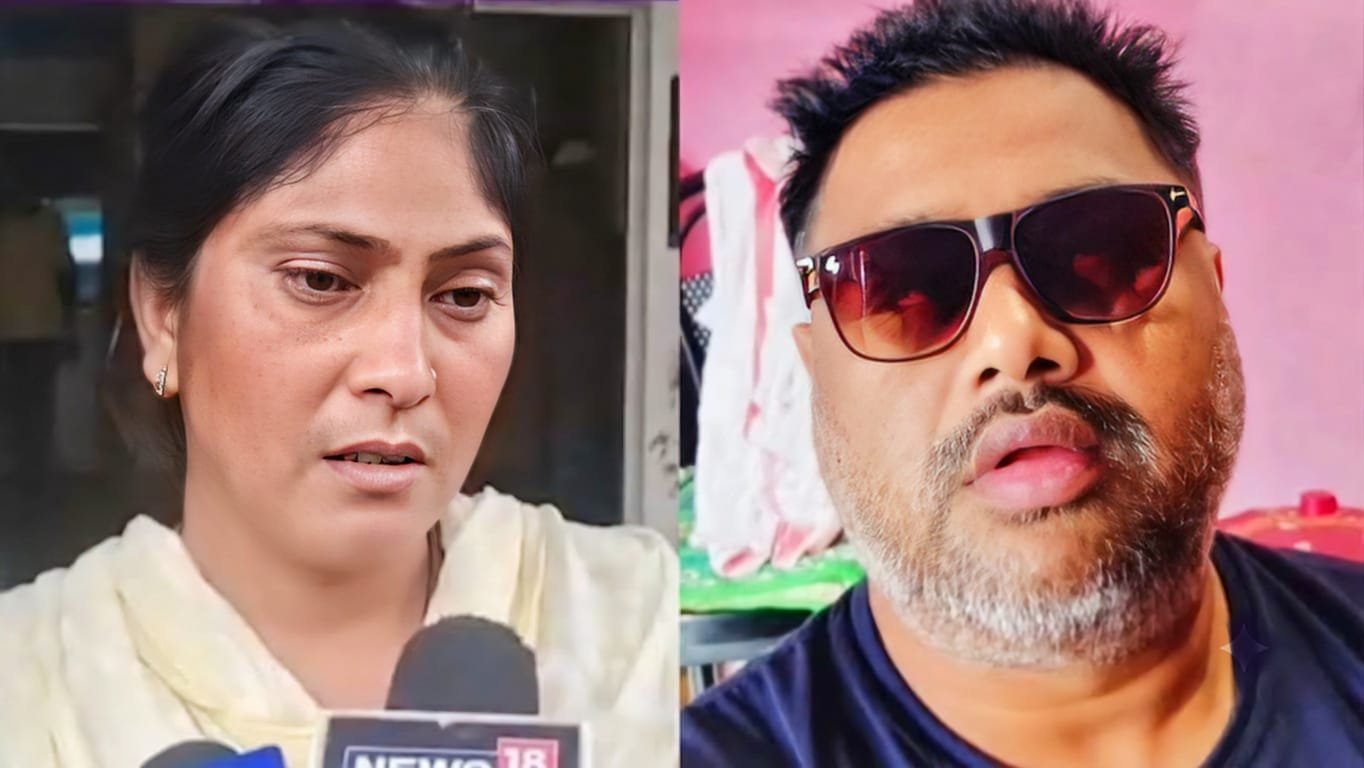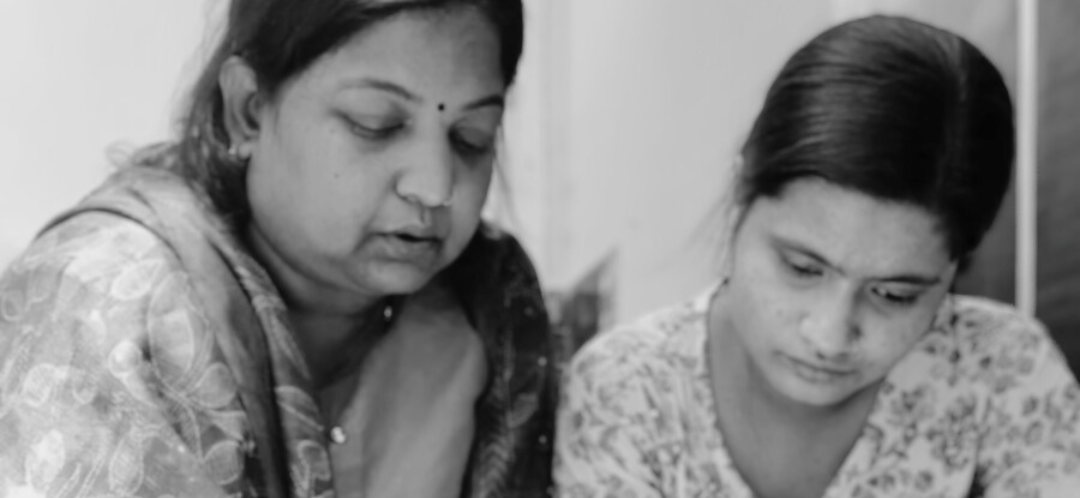
Born into the Bediya community in Madhya Pradesh, Rohini Chaari grew up witnessing how women from her community were trapped in a tradition of caste-based sex work. Reduced to objects and denied dignity, their identities were shaped not by choice but by an age old system rooted in discrimination. Rohini chose to challenge this reality by creating a new tradition, one centred on education, rights, and constitutional values.
“I am Rohini Chaari, born in the Bediya community, the community which is entangled in the tradition of binding women into the realm of caste-based sex work,” she says. Determined to break this cycle, she founded an organization that focuses on educating girls and advocating for the rights and safety of women involved in sex work. For Rohini, education is not just learning but resistance. She believes that to dismantle an oppressive tradition, a new and empowering one must take its place.
Her understanding of rights deepened after she attended the Samvidhan se Samadhan training conducted by We The People Abhiyan. Soon after the training, while conducting a survey in a neighbouring village, Rohini encountered a moment that tested her resolve. She came across a heated situation where a dead body lay unattended amid caste tensions. Members of the so-called upper caste were refusing to allow the cremation of the deceased on the government-designated cremation ground because of his caste.
Rohini intervened immediately. She questioned the crowd, asking why the body could not be cremated on government land and where it was written that a particular caste could not use that space. “Our Constitution does not allow discrimination,” she told them. When her words failed to move them, she approached the Sarpanch and filed a complaint, raising a fundamental question. If a person owned no land, where would he be cremated? Was he not entitled to dignity even in death?
To strengthen her case, Rohini cited Article 15 of the Constitution, which prohibits discrimination on the basis of caste. The intervention worked. The Sarpanch took action, and the deceased was finally cremated with dignity on the designated ground.
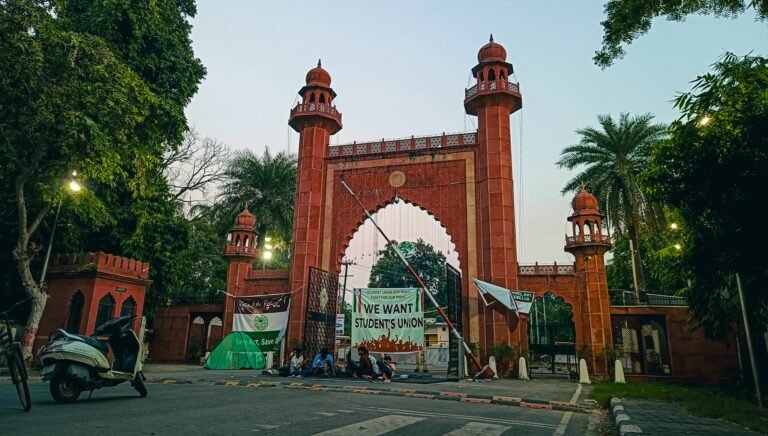
However, Rohini did not stop there. During her training, she had learned about the constitutional value of fraternity, the idea that unity and mutual respect are essential to justice. Believing that lasting change requires dialogue, she organized a meeting involving members of both communities. She asked difficult but necessary questions. If the government cremation ground was rejected, where else could last rites be performed? Certainly not in agricultural fields where crops could catch fire. When concerns about cleanliness were raised, Rohini encouraged the community to take collective responsibility for maintaining the space, explaining that it would benefit everyone.
“I know that eradicating discrimination does not happen overnight,” Rohini says. “But if I, as a social worker, support only one side and ignore the other, then I am no different from those who create divisions. The Constitution is for everyone.”
Active since 2018, Rohini Chaari continues to work with women and girls from the Bediya community, challenging stigma, promoting education, and spreading constitutional awareness. Her work reflects a belief that dignity, equality, and fraternity are not abstract ideals but lived values that must be defended in everyday life.