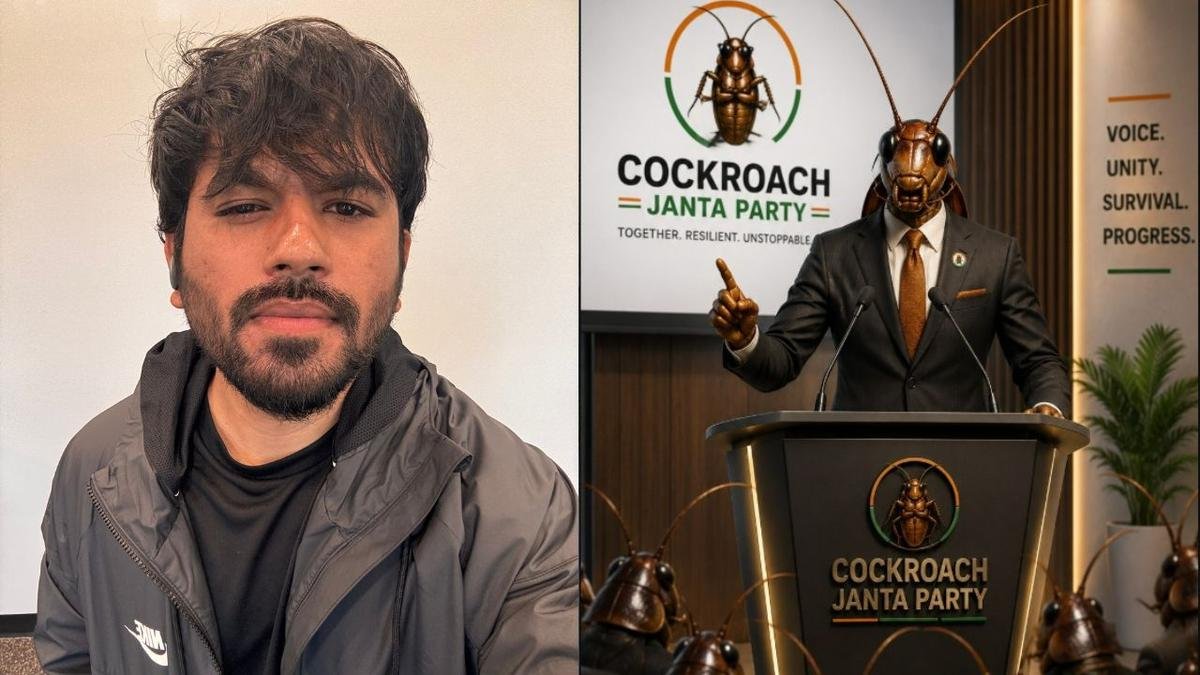
What started as a joke on social media has quickly turned into one of India’s biggest online political trends. The Cockroach Janta Party (CJP), launched by political communication strategist Abhijeet Dipke, has gained millions of followers and thousands of supporters after remarks by Chief Justice of India Surya Kant sparked controversy online.
The movement began after comments made by the Chief Justice during a court hearing on fake educational credentials were widely interpreted as comparing unemployed youth, activists, and media workers to “cockroaches” and “parasites.” Though Justice Surya Kant later clarified that his remarks were aimed at people using fake degrees to enter professions, the backlash had already spread across social media.
How the Cockroach Janta Party Started
On May 16, Abhijeet Dipke, a 30-year-old public relations graduate from Boston University, posted a message online asking, “What if all cockroaches come together?”
Soon after, he launched the Cockroach Janta Party as a satirical digital movement. What began as an internet joke quickly became a platform for young Indians frustrated with unemployment, rising costs, political divisions, and lack of opportunities.
Speaking about the movement, Dipke said it had gone beyond satire.
“It’s getting pretty serious,” he told media outlets, adding that people were using the platform to express anger and disappointment with the political system.
Dipke said, “Now there is a platform for us. There is an outlet for our anger.”
Why the Movement Went Viral
The party gained huge attention because many young people connected with its message. India has millions of graduates entering the job market every year, while concerns over unemployment and economic pressure continue to grow.
The movement also uses humor and memes to speak about serious political issues. Its online identity describes itself as a platform “of the youth, by the youth, for the youth,” with a humorous slogan calling itself “Secular, Socialist, Democratic, and Lazy.”
The party’s unusual membership criteria also attracted attention. It jokingly says members should be unemployed, chronically online, lazy, and able to “rant professionally.”
However, behind the humor, supporters say the movement reflects real frustration among young people.
Dipke said many Indians had been “scared to speak” for years and now finally feel they have found an outlet.
“I think it’s more about the complete political situation where people all these years were scared to speak against power,” he said.
Political Leaders and Public Figures Join In
The movement gained further visibility after political leaders and well-known personalities publicly supported it.
Trinamool Congress MP Mahua Moitra jokingly asked to join the party online, while former cricketer and politician Kirti Azad also interacted with the movement.
Senior advocate Prashant Bhushan supported the criticism of the controversial remarks, saying they reflected “deep-rooted prejudice and antipathy towards activists and youth in general.”
He added, “People are finally asking questions and demanding accountability.”
Indian-American entrepreneur Sabeer Bhatia also voiced support for the movement. In a video message, he praised young people for speaking up.
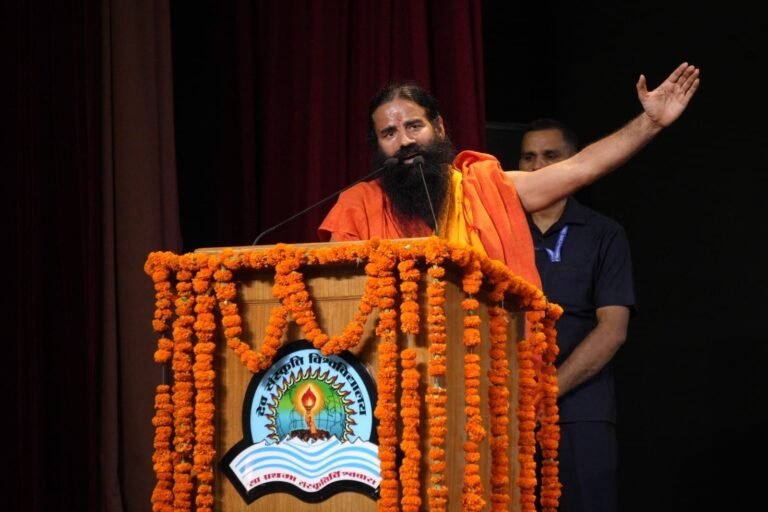
“Nobody should refer to you as a cockroach,” Bhatia said, urging youth to “fight for your rights.”
More Than Just a Meme?
Although many still see the Cockroach Janta Party as satire, others believe it reflects a deeper political mood among India’s youth.
The movement’s manifesto includes demands such as stronger judicial independence, more transparency in governance, restrictions on politicians changing parties, and greater representation for women in politics.
Political observers say the rapid rise of the movement highlights how digital satire and internet culture are increasingly shaping political discussions in India.
For now, the Cockroach Janta Party remains an online movement rather than a formal political party. But its massive popularity shows how humor, frustration, and politics are coming together in new ways, especially among young Indians looking for a voice.