In a major development ahead of Eid al-Adha, the Uttar Pradesh government has reportedly cancelled the registration of 31,328 Waqf properties on the UMEED (Unified Waqf Management, Empowerment, Efficiency and Development) portal after discrepancies and errors were found during verification of property documents.
According to officials, claims over 31,192 properties were also cancelled after investigations revealed mismatches in land records, including discrepancies in khasra numbers and variations between Waqf Board documents and revenue department records.
The action follows a large-scale verification drive aimed at examining the authenticity of Waqf property registrations and ensuring transparency in management of Waqf assets.
Officials said that during cross-verification of records, significant irregularities were discovered in several registrations, indicating that many properties had either been incorrectly uploaded or lacked proper supporting documentation.
The union government had introduced the UMEED portal to digitise and streamline the management of Waqf properties across India. The portal was launched as part of efforts to improve monitoring, prevent misuse and ensure better administrative oversight of Waqf assets.
According to government data, Uttar Pradesh completed the processing of around 92,832 Waqf properties by December 2025 and emerged as one of the leading states in digital registration of Waqf properties. The Centre had reportedly directed states to complete online registration by December 5, 2025, which Uttar Pradesh completed ahead of schedule.
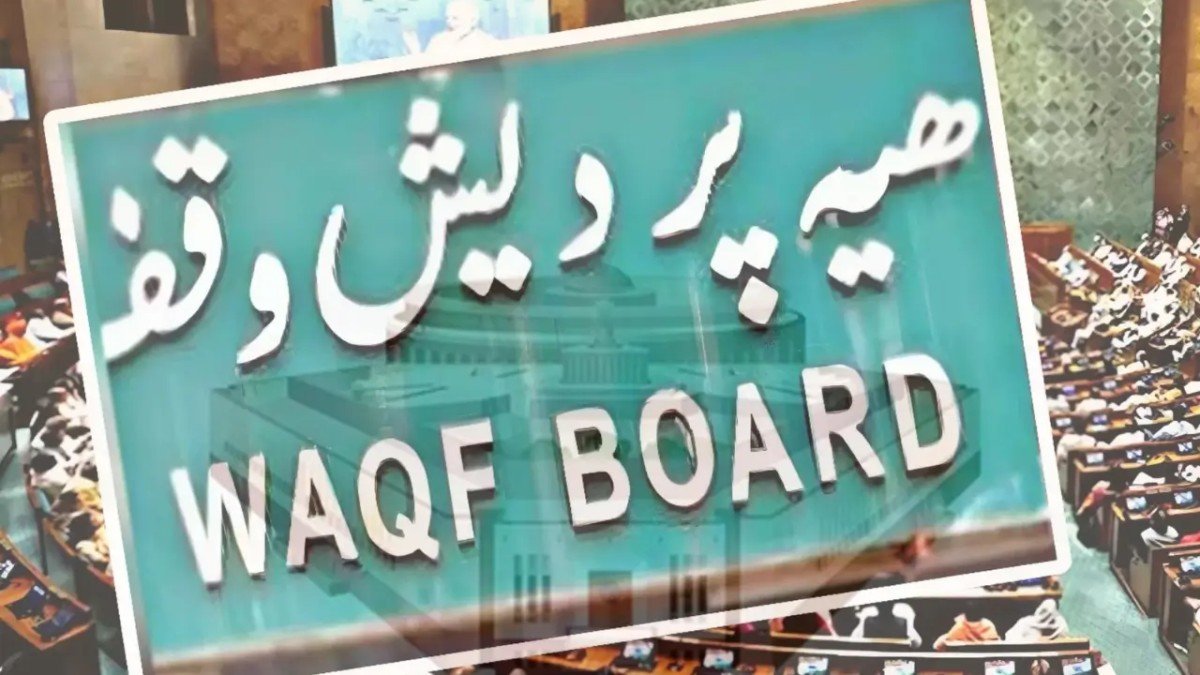
What is the Waqf Board?
Uttar Pradesh Sunni Central Waqf Board and other Waqf Boards in India are statutory bodies constituted under the Waqf Act for the administration and protection of Waqf properties.
Under Islamic law, a Waqf refers to movable or immovable property donated permanently for religious, charitable or public welfare purposes. Once declared as Waqf, the property is considered dedicated to God and is meant to be used for community welfare, religious institutions, graveyards, mosques, educational institutions or charitable activities.
Waqf Boards are responsible for maintaining records of such properties, preventing encroachments and ensuring that the assets are used according to their intended purpose.