Nearly 19 years after a Dalit man was allegedly murdered over a ₹500 dispute in Uttar Pradesh’s Aligarh, a special SC/ST court has sentenced the accused to life imprisonment.
The court convicted 65-year-old Bablu Prasad for the murder of 44-year-old Tej Singh, a Dalit resident of Ishanpur village. Along with life imprisonment, the court also imposed a fine of ₹1.05 lakh on the convict.
Murder Over ₹500 Dispute
According to the prosecution, the incident took place on January 7, 2007, when Bablu Prasad allegedly took Tej Singh to Hajipur village. The two reportedly consumed alcohol together near a government tube well.
During their meeting, an argument broke out over ₹500 that Bablu Prasad allegedly owed to Tej Singh. When Singh demanded his money back, the disagreement turned violent.
The prosecution told the court that Prasad strangled Tej Singh to death during the altercation.

Victim’s Son Found Body
The next morning, Tej Singh’s son, Mahender Singh, was informed by local villagers about the incident. He later found his father’s body and filed a complaint at Quarsi police station.
Following the complaint, police launched an investigation and arrested the accused.
Court Relied on Witnesses and Forensic Evidence
Senior Public Prosecutor Satyanand Singh said the case was tried under charges of murder, destruction of evidence, and provisions of the SC/ST Act. Charges were framed against the accused in September 2007.
“After thoroughly examining witness statements, forensic evidence and the post-mortem report, the court found the accused guilty,” Singh said.
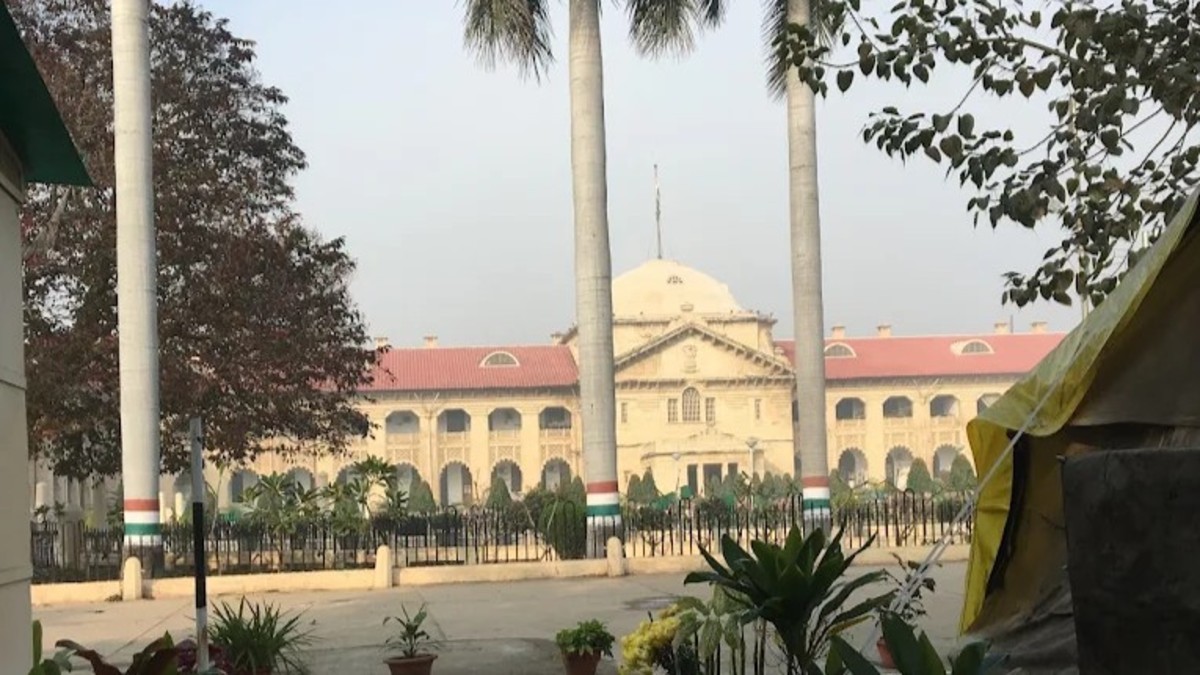
The special SC/ST court of Judge Pratibha Saxena delivered the verdict on Wednesday, holding Bablu Prasad guilty under relevant sections of the Indian Penal Code and the Scheduled Castes and Scheduled Tribes (Prevention of Atrocities) Act.