The road to the Baiga tribe hamlets in Balaghat district, Madhya Pradesh, does not go all the way to the villages.
It stops about three to four kilometres before the settlements where families from the Baiga tribe live.
For families trying to take a critically ill child to the hospital, those three kilometres can mean the difference between reaching treatment in time and reaching it too late.
The family of a 10-year-old boy named Gajendra Arkam learnt this the hardest way.
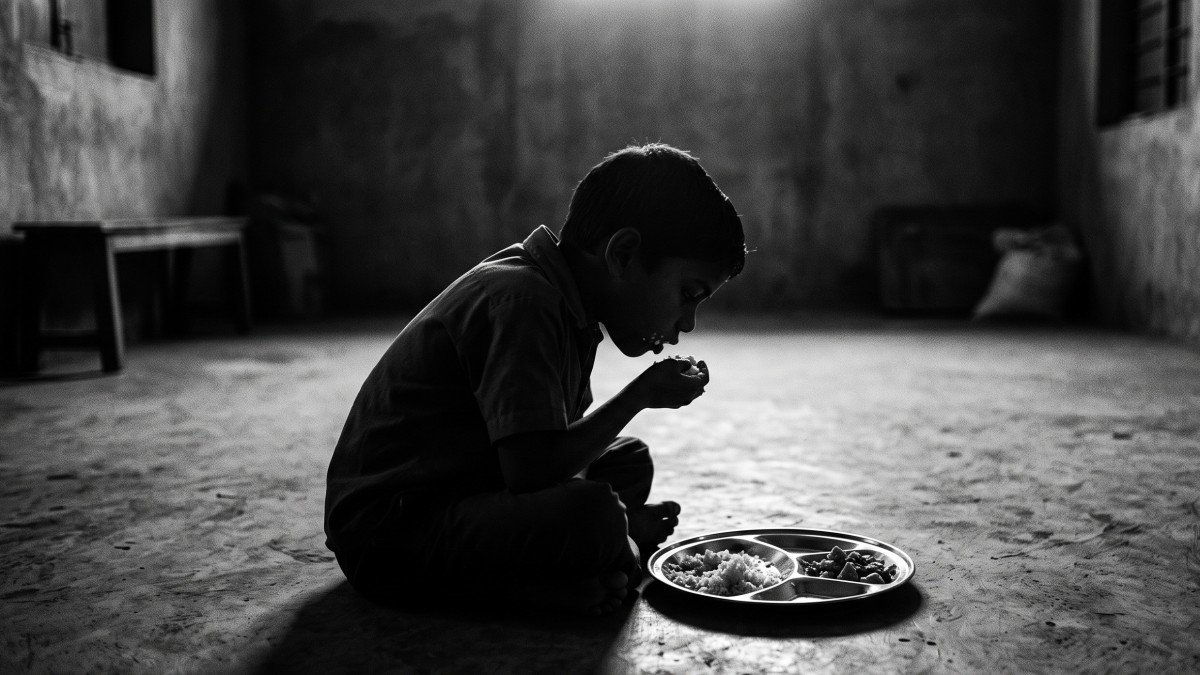
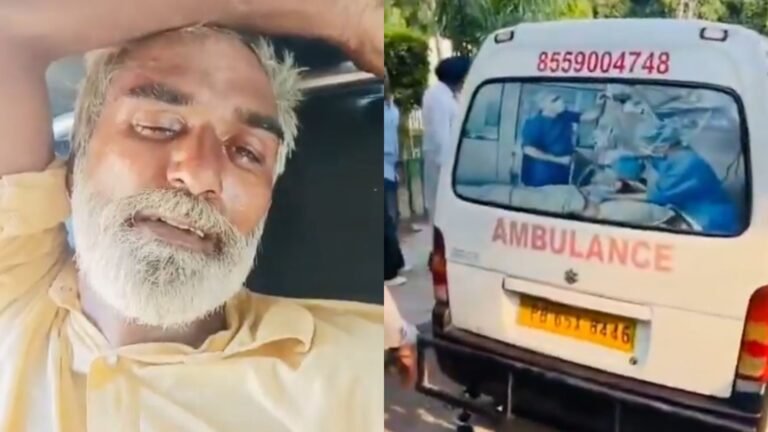
When the child fell seriously ill with malaria and measles, his family called for an ambulance. They waited for nearly two hours for it to arrive. But the ambulance could not reach their village, Atariya, located in the Baihar Tehsil, Balaghat. It stopped where the road ended.
The family then had to make their way from there with the critically ill child.
By the time he reached medical care, precious hours had already been lost.
The child died.
According to residents in Balaghat district, his death was the 31st reported death of a child from these illnesses in the area. Thirty children had already died before him from malaria and measles, according to residents. The deaths are continuing.
As per his family, the problem was not simply that their child was sick. It was also the road that did not reach their village, the ambulance that could not come all the way, and the hours they spent waiting while his condition worsened.
Today, the three- to four-kilometre stretch where the road ends is more than a missing piece of infrastructure for families here. It is a barrier between their homes and emergency healthcare.
For families in these hamlets, every delay can become a matter of life and death.
When Treatment Is 40 Km Away
The nearest hospitals are about 40 kilometres away from their villages, but reaching a hospital does not necessarily mean receiving adequate treatment.
At Songudda, one of the hospitals serving the area, only two or three doctors are available, according to residents. The hospital also lacks adequate healthcare facilities. At another hospital in Machurdha, residents say there is only one doctor.
Balaghat district hospital is also not enough to handle severe cases.

When another 10-year-old child was admitted to the Balaghat district hospital, his condition became worse. The hospital was also unable to manage his deteriorating condition, and the doctors eventually referred him to a hospital in Gondia, Maharashtra.
His parents were afraid to go there.
They had already travelled around 120 kilometres from their village to reach the Balaghat district hospital. They were not accustomed to the world outside their village – the bright lights, cars, crowds of unfamiliar people and, most of all, a language they did not understand.
Hindi itself was unfamiliar to them. Some doctors used English medical terms, making it even harder for the family to understand what was happening to their child.
They were afraid of leaving their village again.

For a family that rarely steps outside its own area, taking a critically ill child from their village to Balaghat, and then being referred another distance to an unfamiliar hospital in Maharashtra, was not simply a medical journey. It was a journey into a world they did not know.
And while the family hesitated, their child’s condition remained critical.
“We Had No Vehicle”
Families often do not understand what is happening to their children when they fall ill.
Sampat, a member of the Baiga tribe in Balaghat, said that three members of his family, including two of his children, have died. He said they took the children to a traditional healer (Jhaad Phook) for treatment, but they could not take them to a hospital because they did not have a vehicle.
“We took them to the traditional healer for treatment, but we had no vehicle to take them to the hospital,” he said.
When families are told that their child has died from malaria or measles, they may not fully understand the cause of death.
They simply ask, ‘What happened?’
A resident and social activist named Deepratna Gharde said some families have seven or eight children, and that in some households, fathers are not involved in caring for them.
“Their fathers start drinking from the morning to the evening. They do not know what is happening to their children,” he said.
According to him, mothers are often the ones who are most affected when a child dies.
He said that in the absence of healthcare facilities in their villages, families often turn to traditional healers.
“The child has a fever for two days, they take them to a traditional healer, and then the child dies,” he said. “There is no awareness there.”
A Wider Health Crisis
In the last three months, more than 30 children from the Baiga tribe have died in the Birsa block of Baihar tehsil in Balaghat district, Madhya Pradesh.
According to residents, the children died of preventable diseases such as malaria and measles. Many of them were already malnourished due to extreme poverty.
For families in these remote Baiga settlements, the crisis is not just about numbers. It is about children falling ill in villages where medical care can be around 40 km away, and families having to arrange whatever transport they can find when their children need urgent treatment.
The Baiga are a Particularly Vulnerable Tribal Group (PVTG). The community lives in remote habitats and remains socially and geographically isolated. Residents and social activists say poverty, lack of healthcare and inadequate basic services have made the community particularly vulnerable.
Water, Malaria And Basic Services
Vishal, another resident of Balaghat, said malaria occurs every year in the area. He linked the wider health crisis to the lack of clean drinking water.
Piped water does not reach many settlements, residents said, forcing families to depend on ponds and lakes, some of which are untreated.
Residents also alleged that vaccinations were delayed and nutritional support did not reach children who needed it.
Most of the affected children were below the age of 10, according to residents.
Locals said there was no adequate healthcare facility nearby. With hospitals around 40 km away, families often have to depend on private vehicles because doctors and ambulances are not readily available.
For a poor family living in a remote settlement, reaching a hospital can itself become a struggle when a child is seriously ill.
Vishal said malaria has been a persistent problem in the Baiga community. According to him, some people continue to carry the malaria parasite in their bodies and may experience repeated bouts of fever. They sometimes take medicines; the fever subsides, and they return to work without receiving further treatment.
He attributed the problem partly to poor sanitation in the villages, where mosquitoes are common, and to the lack of safe drinking water. He said many families depend on unfiltered water from rivers and streams for drinking.
Even today, residents said, many Baiga families continue to drink dirty, untreated water from drains and streams.
In some villages, there are one or two taps, but families said the water that comes out of them is often muddy and reddish. They have come to call it “lal paani” – red water.
The water from the wells is also reportedly dirty and salty. Locals said alum or chlorine has not been used in some of these water sources for a long time.
Residents who spoke to this reporter in Hindi also said mosquito nets have not been distributed in their areas for the past five years.
Anganwadi Centres And Child Nutrition
The Anganwadi centres, too, appeared largely empty, according to residents.
Although the centres exist, no Anganwadi workers or helpers were visible during visits to some of them.
Locals said iron supplements and other medicines were also not being distributed there.
Residents also alleged that vaccinations were not reaching Baiga children regularly.
Sudhish Kumar, a resident raising the issue, alleged that ASHA workers had not carried out vaccinations for Baiga children for six months.
This reporter tried to contact Anganwadi and ASHA workers, but none was willing to talk.
Government Schemes, But What Reaches The Villages?
Government schemes and programmes have been introduced for such communities.
The Centre launched the Pradhan Mantri Janjati Adivasi Nyaya Maha Abhiyan (PM-JANMAN) in 2023 to improve living conditions for PVTG communities.
The programme aims to provide housing, drinking water, healthcare and nutrition, education, electricity, roads, telecommunications and livelihood opportunities.
But residents of Balaghat questioned whether these benefits are actually reaching Baiga settlements.
They said malaria and measles were among the main reasons behind the deaths. The area is malaria-endemic, he said, but malaria medicines have allegedly not been distributed for the past two years.
Alleged Administrative Failure
During conversations with the reporter, literate residents of Balaghat who are not from the Baiga community pointed to administrative failure, inadequate healthcare and delays in treatment as major reasons behind deaths from preventable and treatable diseases such as malaria and measles.
According to them, the local administration failed to respond adequately to the recurring health crisis.
During the RSS’s Griha Sampark Abhiyan (Home Contact Campaign) in January, its workers visited remote villages in the Birsa and Baihar blocks. During the campaign, they came across Baiga children suffering from high fever, skin rashes and severe weakness, residents told the reporter.
The residents said the RSS workers brought the situation to the attention of BJP MP Bharti Pardi, who represents the Mandla-Balaghat constituency. They said the workers also submitted the information in writing and urged the MP to take action and organise health camps. But, according to residents, no action was taken.
According to locals, the authorities should have taken action by June, including spraying and mosquito-control measures.
“But they did not do it”.
They said such incidents occur every year, although the number of cases had previously been lower. Some residents and social workers eventually brought the issue to wider attention and decided to protest.
A Protest For Immediate Medical Care
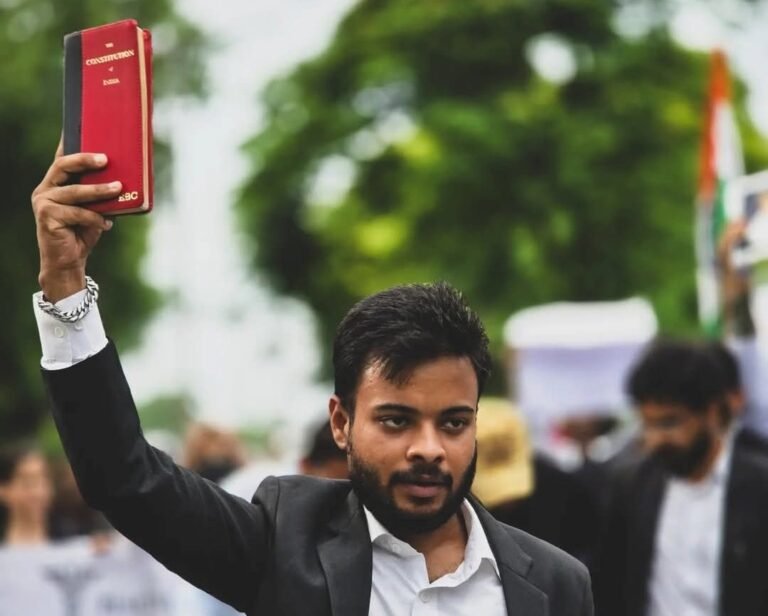
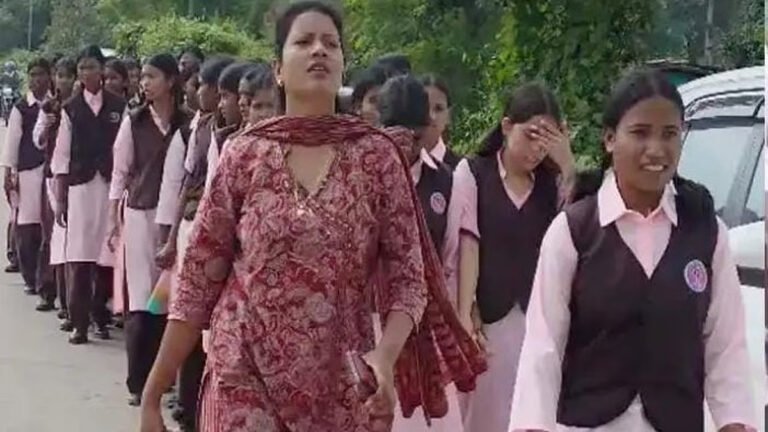
On August 21, five young people started a protest demanding immediate action over the deaths. More supporters gradually joined them.
The protesters demanded “pocket hospitals” and medical camps in Baiga areas. They also called for doctors from AIIMS or, if that was not possible, doctors from Raipur and Nagpur to be brought in to provide medical care.
They claimed that more than 300 children had been admitted to hospitals and that around 30 had died.
The protesters also demanded more doctors and medical staff and healthcare facilities closer to the settlements.
Instead of moving sick children out of their villages for treatment, they argued, healthcare should be taken closer to the communities.
They demanded compensation of Rs 1 crore for each affected family, along with interim compensation of Rs 25 lakh.
But the protesters said the issue was not only about compensation. They also demanded accountability from those responsible.
Eight Official Malaria Deaths, 31 Claimed By Locals
Vishal, a resident of Balaghat, criticised Chief Minister Mohan Yadav’s August 29 visit to the affected area.
He said the Chief Minister visited only Bounde village and spent around half an hour with one affected family instead of visiting the other affected villages.
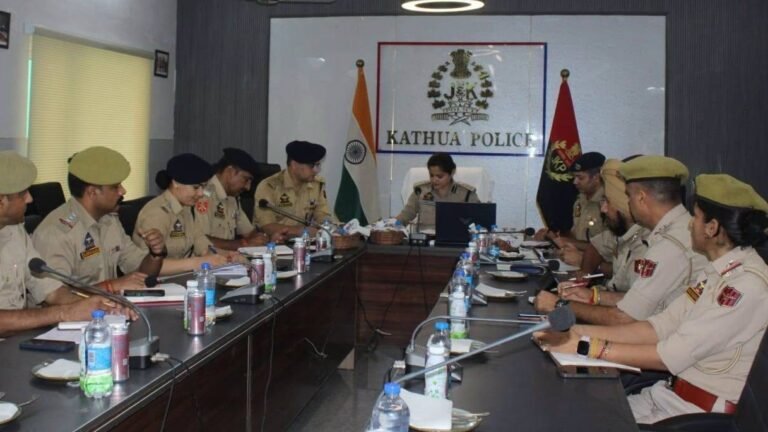
The Chief Minister announced Rs 2 lakh for the families of the eight children whose deaths were officially linked to malaria. Vishal claimed that while the government has recorded only eight deaths due to malaria, social workers and protesters conducting door-to-door surveys have identified a total of 31 child deaths.
He alleged that the government was hiding the actual number of deaths to avoid paying higher compensation and to conceal administrative negligence.
A Child’s Body Cremated Before His Parents Returned
Lalit, a Balaghat resident, said a child’s body was brought back from a hospital and cremated without the permission of the child’s parents, who work as labourers in Hyderabad.
According to his account, only the child’s grandfather was present at the time. The elderly man was allegedly frightened and was told by the administration that the body had to be cremated quickly to prevent the spread of malaria.
Lalit said the child’s grandmother arrived too late to attend the final rites.
She had crossed a river and walked around 300–400 metres, carrying only a handful of paddy and a few coins for the ceremony. By the time she reached the spot, the cremation was already over.
He said the family did not question the decision or protest because people in the community are “very innocent” and often accept such events as God’s will.
“They think, ‘It is God’s will,’” he said. “They are a very innocent and unaware community.”
A Larger Public Movement
The protest that began on August 21 gradually grew into a larger public movement as more people joined the demand for accountability.
With concerns over the deaths of Baiga children continuing to draw attention, the protesters and their supporters called for a district-wide bandh on September 3.
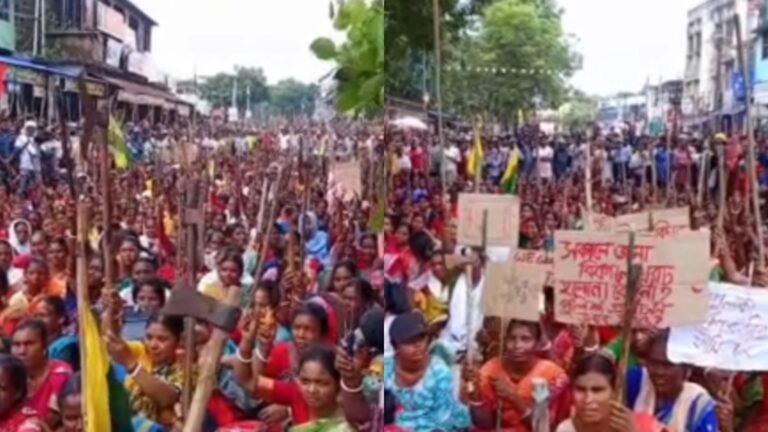
More than 3,000 people joined the Jan Andolan, turning the protest into a wider public movement demanding justice for the deceased children and accountability from the government.
The September 3 Jan Andolan reflected how the deaths, initially raised by a small group of protesters, had developed into a wider public demand for government accountability.
The issue came to wider attention after the protest that began on August 21 and continued until the latest public agitation.
Following the protests, hand pumps were installed along roadsides in some areas, a local resident and a social activist said. According to him, these were placed where they could be easily seen by officials and visitors arriving by road. And now healthcare camps were also set up near Baiga settlements to treat sick children from the community.
“Earlier, there was nothing like this,” Deep, a social activist in Balaghat district, said.
Where Are The Funds Going?
Questions about healthcare have also raised questions about government spending in the district.
According to official records cited by residents, the District Mineral Foundation (DMF) received collections of Rs 240.19 crore. Allocations were more than Rs 383.65 crore, while expenditure stood at Rs 233.92 crore.
Residents questioned how such expenditure had taken place when basic healthcare and development facilities were still lacking in the affected areas.
They alleged corruption in the implementation of development schemes.
“Every conversation, discussion and dialogue ends with just one thing, and that is corruption. Everyone is busy filling their own pockets,” locals said.
A Larger Systemic Failure
Residents said the deaths cannot be attributed to malaria alone and instead point to a wider failure of the system.
They raised concerns about unsafe or inadequate water, malnutrition and the lack of accessible healthcare.
They also questioned the functioning of several departments, including the Public Health Engineering Department (PHED), Food and Civil Supplies, Women and Child Development, Health, malaria control and immunisation.
Protesters alleged negligence on the part of Chief Medical and Health Officer (CMHO) Dr Paresh Uplav, who also held responsibility for immunisation, and questioned the action taken against Manisha Juneja, the malaria officer.
According to the protesters, Juneja was transferred when she should instead have faced suspension for alleged negligence.
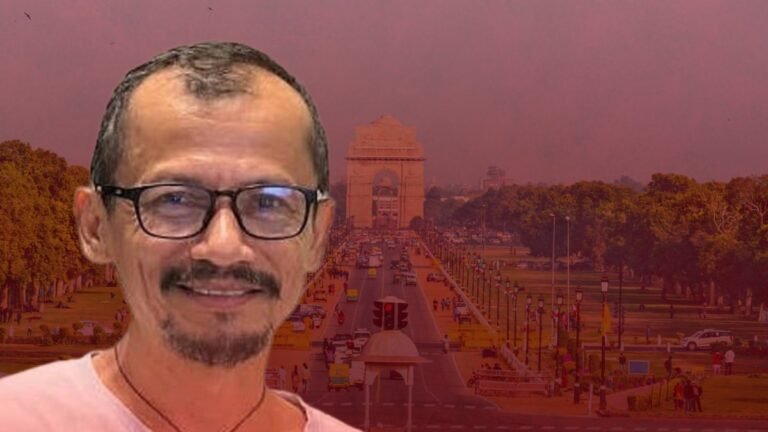
At the time of filing this report, this reporter contacted then CMHO Dr Paresh Uplav seeking his response to the allegations of negligence in healthcare delivery, but he did not respond to calls.
On September 2, the Madhya Pradesh government removed Uplav as CMHO and appointed Dr Manoj Pandey, then CMHO of Dindori, in his place. Pandey has since been replaced by Dr Shatrughan Singh Dahiya as Balaghat’s new CMHO.
At the time of filing this report, this reporter repeatedly contacted the District Collector and the district malaria officer for their responses to allegations of negligence in healthcare delivery, but none responded to the calls. This reporter also contacted the newly appointed CMHO, Dr Shatrughan Singh Dahiya, but he too did not respond to repeated calls.
This reporter also contacted Dr Sunil Singh, the BMO treating children in the affected areas, but he did not respond to the calls.
A System That Exists On Paper
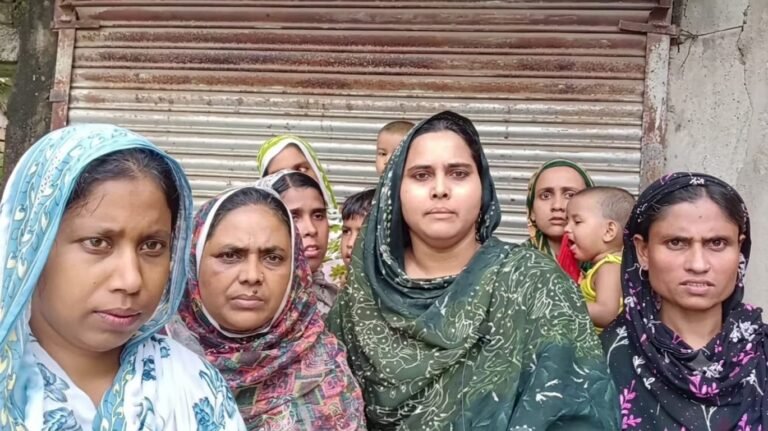
Sudhish Kumar, another person from Balaghat raising the issue, said government funds are provided for these communities but officials do not regularly visit the remote areas.
He referred to the Fifth Schedule areas and alleged that several government activities are carried out only on paper.
He gave the example of ASHA workers’ child health cards, saying that records may show that services have been completed even when those services have not actually reached the children.
For residents and protesters, the deaths are therefore not simply a health crisis.
They say they are evidence of a system that has failed to reach some of the country’s most vulnerable children.
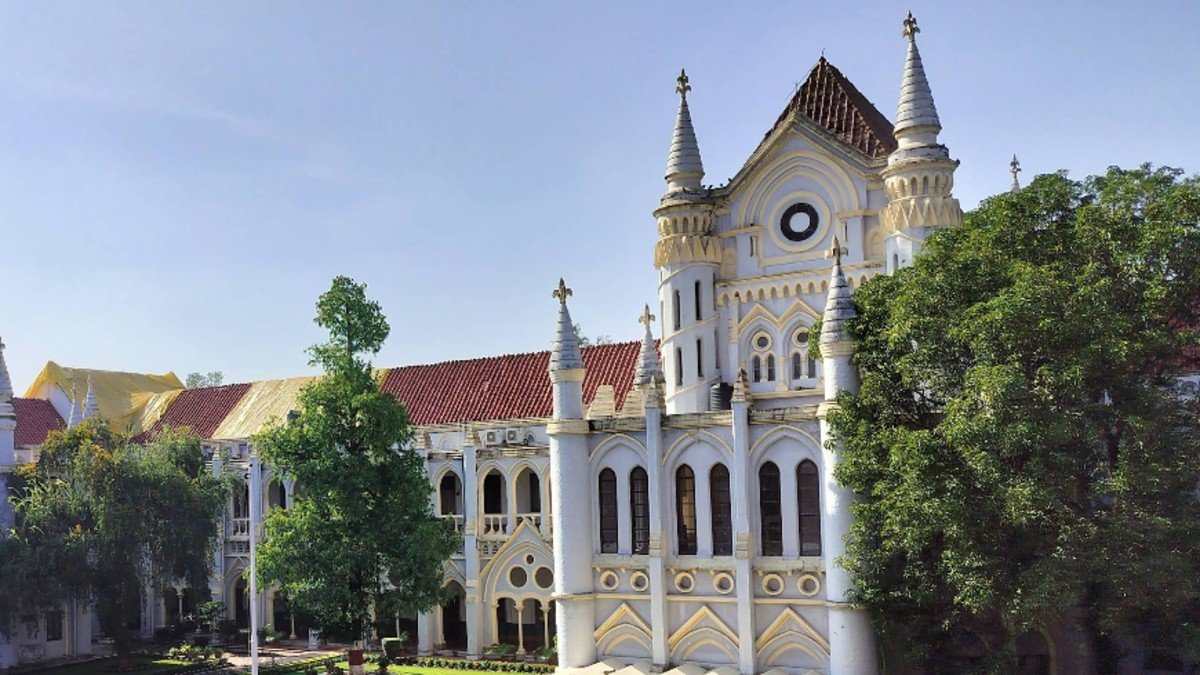
Sudhish Kumar said the children are dying because of administrative and systemic failure – what he described as “murders done by administrative failure.”