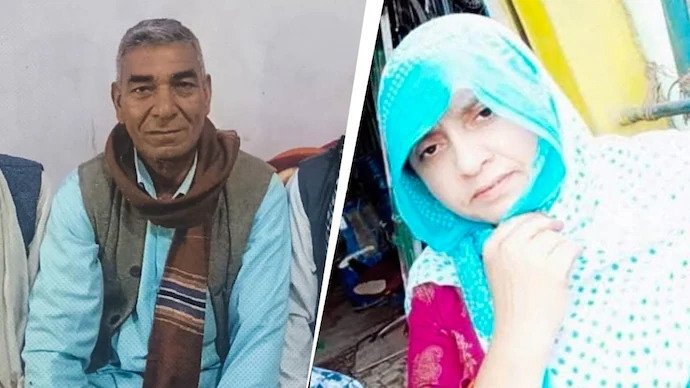
The Association for Protection of Civil Rights (APCR) on Friday welcomed the Supreme Court’s decision to grant six months’ interim bail to activist Khalid Saifi in FIR 59/2020, linked to the alleged larger conspiracy behind the 2020 Northeast Delhi violence.
APCR Calls Bail Order a ‘Significant Relief’
In a statement, APCR described the order as a “significant relief” after Saifi’s prolonged incarceration of nearly six years and said the ruling reaffirmed constitutional safeguards, due process and judicial scrutiny in protecting personal liberty.
“APCR hopes that the six-month interim bail granted to Khalid Saifi will eventually be converted into regular bail,” the organisation said, adding that prolonged incarceration without trial raises serious concerns regarding fairness, dignity and justice guaranteed under Article 21 of the Constitution.
Supreme Court Refers Larger UAPA Bail Questions to Bigger Bench
A bench comprising Justice Aravind Kumar and Justice Prasanna B. Varale granted interim bail to Saifi and co-accused Tasleem Ahmed for six months while referring broader questions concerning bail jurisprudence under the Unlawful Activities (Prevention) Act to a larger bench.
The court observed a “perceived conflict” in coordinate bench rulings interpreting principles laid down in the K.A. Najeeb judgment and said judicial discipline required authoritative clarification by a larger bench.

Supreme Court Imposes Strict Bail Conditions
The apex court granted interim bail subject to strict conditions, including the execution of a personal bond of ₹2 lakh with two local sureties of the same amount to the satisfaction of the trial court.
Among other conditions, the court directed the appellants to surrender their passports, if any, and barred them from leaving the National Capital Territory of Delhi without prior trial court permission. They were also instructed to furnish residential and contact details to the investigating officer and trial court and not change residence without prior notice.
Restrictions on Public Statements and Witness Contact
The court further restrained the appellants from contacting prosecution witnesses, tampering with evidence, or making any public statements — including through print, electronic, or social media — concerning the merits of the case, evidence, witnesses, or the pending trial.
Saifi and Ahmed have also been directed to report to the investigating officer once every fortnight and refrain from activities that may prejudice public order or affect the integrity of the trial. The court said the State may seek cancellation of bail in case of any violation of conditions.
APCR Thanks Legal Team Representing Saifi
APCR also thanked Saifi’s legal team, including Rebecca John, and advocates Rajat Kumar and Anushka Baruah for representing him. Yash S. Vijay filed the matter.

Saifi Had Cited Long Incarceration
Saifi, associated with United Against Hate, had sought bail citing prolonged incarceration and parity with co-accused who were granted relief earlier this year in the Delhi riots conspiracy case.
Matter to Be Heard by Larger Bench
The matter will now be listed after directions from the Supreme Court of India on the administrative side regarding the constitution of an appropriate larger bench.